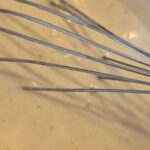


Homemade Mayonnaise Technique: The Amazing 2-Step Rule for Perfect Emulsions
One of the most important cornerstones of modern culinary technology is understanding how to create an emulsion. In simple terms, this process forces two naturally incompatible phases—such as a fat (oil or butter) and a water-based liquid (vinegar, lemon juice, or stock)—into a single, homogeneous unit. Achieving stability requires two critical factors working in tandem: mechanical energy (intense whisking or blending) and an emulsifier, which links these repelling substances at a molecular level.
Classic Types of Emulsions
The ultimate example of a cold emulsion is the classic mayonnaise. Here, the lecithin found in the egg yolk acts as the emulsifier: one end binds to water, while the other clings to the fat. When you master the Homemade Mayonnaise Technique, you aren’t just following a recipe; you are manipulating molecules to create a structural masterpiece.
When it comes to warm emulsions, such as Hollandaise or Beurre Blanc, temperature management becomes the top priority. While gentle heat over a double boiler stabilizes the egg protein in a Hollandaise, a butter sauce relies on slowly whisking in cold butter cubes. In this case, the milk proteins in the butter create that signature creamy, opaque structure. On the other hand, unstable emulsions, like basic vinaigrettes, will eventually separate unless we add mustard or honey. These ingredients act as stabilizers, preventing the fat molecules from regrouping.
The Role of Ingredients in Stability
To truly understand the Homemade Mayonnaise Technique, we must look at the quality of our fats. Not all oils are created equal when it comes to suspension. While extra virgin olive oil offers a robust flavor, its high polyphenol content can sometimes result in a slightly bitter aftertaste when processed at high speeds with a blender. For a neutral, foolproof base, grapeseed or sunflower oil is often preferred by professionals.
The acidity is another pillar of the emulsion. Whether you use apple cider vinegar or fresh lemon juice, the acid doesn’t just provide flavor; it helps to denature the proteins in the egg yolk just enough to make them more receptive to the oil droplets. A pinch of salt also plays a chemical role, helping to “uncoil” the proteins, allowing for a tighter, more stable bond between the water and fat phases.
Mechanical Energy: Whisk vs. Blender
The amount of “shear force” applied during the process changes the final texture. A traditional hand-whisked sauce will have larger oil droplets, resulting in a heavier, more translucent finish. In contrast, a high-speed immersion blender breaks the oil into microscopic spheres, creating that stark white, ultra-thick texture we associate with premium condiments. The Homemade Mayonnaise Technique remains the same, but the tool determines the “mouthfeel.”
Common Technical Errors and How to Fix Them
The most frequent headache during the Homemade Mayonnaise Technique is “breaking” or curdling, where the sauce splits and the fat visibly separates. This usually happens due to adding the oil too quickly or the temperature being too high.
The Rescue: Don’t throw it away! Start fresh in a clean bowl with a new egg yolk or a tablespoon of warm water. Then, very slowly—drop by drop—whisk the broken mixture into the new base while maintaining intense mechanical action.
Thin Consistency: This is often caused by not adding enough fat or insufficient whisking. Slowly adding more oil or butter will help tighten the structure.
Overheating: If a warm sauce gets too hot, the egg might scramble. Adding an ice cube or a splash of cold water immediately, followed by rapid whisking, can often save the texture. The golden rule is always patience: add the fat drop by drop at first, and once the stability is established, you can increase the pace and crank up the mixer for that perfect, velvety finish.
Join The Munching Theory Crew!
Did you survive the kitchen “balhé” without burning the house down? We want to see your results! Whether it’s a perfectly bubbled pizza crust or a massive batch of pickled peppers, sharing the passion for real food is what we do at The Munching Theory.
Craving more kitchen wisdom? Don’t miss out on all our pro tips! If you want to master more secret techniques and hacks, head over to The Kitchen Lab to find all our guides and “okosságok.” We’ll make sure you never have a dull meal again.
- Show us your plates on Instagram: Tag @themunchingtheory in your stories and posts. We love resharings of your best (and even your messiest) kitchen moments!
- Catch the vibe on Facebook: Follow our page for daily inspiration, behind-the-scenes “gastro-hustle,” and to connect with others who believe that we shall not go hungry today!
- Watch the action on YouTube: If you prefer to see the techniques in motion, check out our latest video guides.
Don’t just eat, Make it a The Munching Theory experience. See you in the next one!